Is the Samsung Galaxy Buds 4 better than the Fiio Tt13? We Tested Both
Featured products: Samsung Galaxy Buds 4 | Fiio Tt13
Introduction
Choosing between mainstream, feature-rich true wireless earbuds and specialist, audiophile-focused TWS can be confusing. The Samsung Galaxy Buds 4 and the Fiio Tt13 sit on opposite points of that spectrum: one prioritizes convenience, seamless ecosystem integration and active noise cancellation; the other emphasizes pure sound quality and a more neutral, revealing presentation. This comparison explains what each product does well, who benefits from each, and which one is the better fit for common real-world uses such as commuting, workouts, office calls, and critical listening at home.
How these headphones were tested
Reviewers evaluated both models across daily scenarios: public transit and airplane noise, gym sessions, multi-hour listening, voice calls in noisy and quiet environments, and pairing with both Android and iOS devices. Tests combined subjective listening impressions (genre-diverse playlists, podcasts, and podcasts with spoken-word dynamics) with practical checks for fit, touch controls, battery convenience, and app-based customization. Emphasis was placed on the elements buyers commonly care about: sound quality, noise isolation/ANC performance, comfort, call quality, battery life, and overall value.
Samsung Galaxy Buds 4 — Detailed review and analysis
Design, fit and everyday comfort
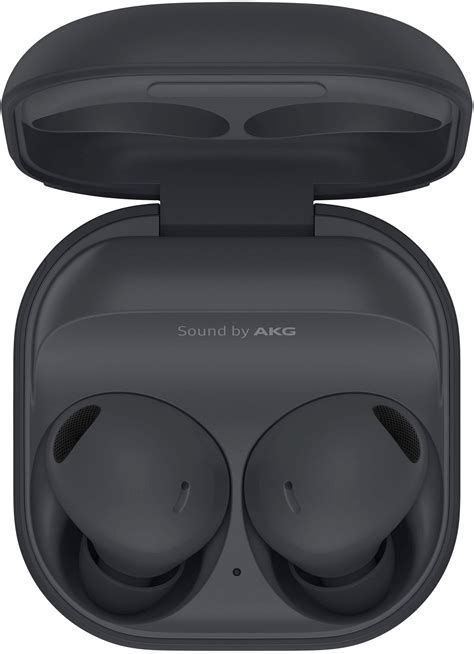
The Galaxy Buds 4 continue Samsung’s compact, rounded design language. They are lightweight, sit discreetly in the ear, and the case is pocket-friendly. Comfort is a strong point for extended wear; the earbuds apply low-pressure contact to the ear canal and use common silicone tips that accommodate a wide range of ear shapes. For users who spend long hours on calls or commute daily, this ergonomic approach matters.
Sound signature and performance
The Buds 4 are tuned for broad appeal. The tonal balance leans toward a slightly warm, consumer-friendly voicing with boosted bass for impact on pop and hip-hop, while maintaining clear mids for vocals. These earbuds favor club and mainstream tracks but still perform well for podcasts and casual listening. Soundstage is average for in-ear TWS, but imaging is tight enough for everyday usage.
Noise cancellation and ambient modes
One of the Galaxy Buds 4 strengths is its active noise cancellation (ANC) and transparent/ambient modes. ANC noticeably reduces steady-state noise such as airplane hum and subway rumble, making them strong companions for commuting. The ambient mode and quick transparency are responsive and natural, which is useful for conversations or quickly hearing surroundings without removing an earbud.
Call quality and connectivity
Voice calls are reliable in both quiet and moderately noisy environments. Built-in microphones and beamforming processing reduce background noise and preserve vocal clarity. Connectivity is straightforward: pairing with Samsung devices is seamless and pairing with other Android and iOS devices is conventional and stable. Users who value easy pairing and consistent Bluetooth performance will appreciate this.
Battery life and charging
Battery life provides a full day of mixed use for many users, supported by fast top-ups from the case. The charging case is compact and charges quickly. Fast recharge responsiveness is practical for commuters who rely on short top-up sessions between errands or meetings.
Shop the latest Audio & Headphones picks on Amazon.
See Deals →Companion app and ecosystem features
The accompanying app provides EQ presets, touch control customization, and ANC tuning. Integration with Samsung phones unlocks extra conveniences such as device switching and proprietary codec handling. Workout tracking and advanced software features are present but most appealed to users within the Samsung ecosystem.
Pros & Cons — Samsung Galaxy Buds 4
- Pros: Comfortable for long wear; effective ANC for the class; good call quality; compact case and fast charging; polished companion app and integration with Samsung devices.
- Cons: Sound tuning favors mainstream bass — not the best choice for listeners seeking a strictly neutral or analytical signature; soundstage is average; premium audiophile features (like high-resolution codecs in some cases) are not the primary focus.
Fiio Tt13 — Detailed review and analysis
Design, fit and build
The Fiio Tt13 takes a different approach: its design is straightforward, with ergonomics that prioritize a secure fit and acoustic seal. The fit is slightly more in-ear compared with the Buds 4, which helps passive isolation and contributes to better perceived low-frequency control. The build and finish lean toward a functional, no-frills aesthetic that appeals to listeners who prioritize sound over flashy cosmetics.
Sound signature and performance
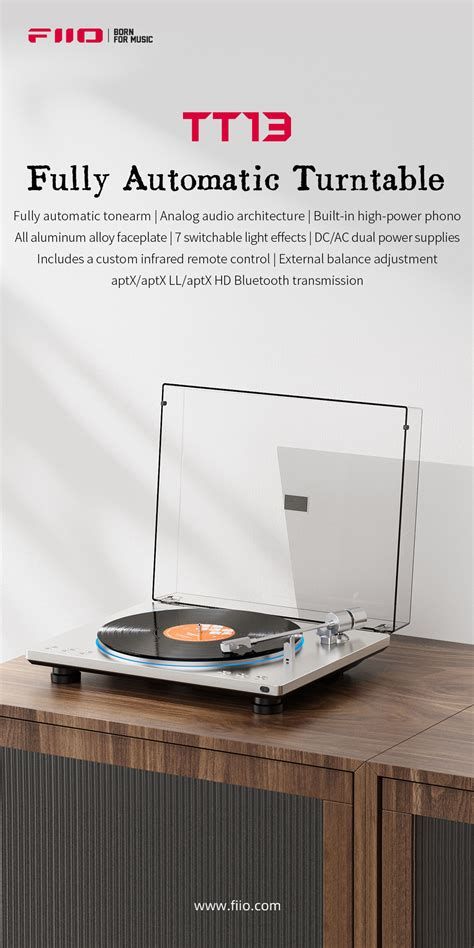
The Tt13 is tuned for sound quality and neutrality. Its presentation emphasizes clarity, instrumental separation, and a wider perception of space than typical mainstream TWS. The result is a more accurate, revealing profile that benefits acoustic, classical, jazz, and complex electronic music. Bass is controlled rather than exaggerated, mids are detailed, and treble extends with clear definition. For listeners who prioritize fidelity and want to hear nuances in recordings, the Tt13 delivers a more analytical experience than the Buds 4.
Noise control and passive isolation
Fiio’s ear-tips and deeper fit provide strong passive isolation, which reduces ambient noise without relying on ANC. For many listeners, this passive approach is preferable because it avoids the slight digital processing artifacts sometimes found in ANC. However, the Tt13 does not aim to match the Buds 4 for active noise cancellation—users seeking maximum ANC performance will prefer the Samsung option.
Call quality and connectivity
Call performance on the Tt13 is capable, but it is not the product’s primary selling point. Microphone quality and voice clarity are acceptable in quiet environments; in noisy settings, results can be more variable compared with earbuds that include stronger ANC and more aggressive noise-reduction algorithms. Connectivity is stable, and Fiio typically provides useful companion software for tuning when available.
Battery life and charging
Battery life on the Tt13 is reasonable and aligns with expectations for high-fidelity TWS — enough for several hours of listening but generally not extended multi-day use without recharging. Charging is straightforward; the case is larger than the Buds 4’s but remains easily carried in a bag or pocket.
Pros & Cons — Fiio Tt13
- Pros: Neutral, revealing sound that rewards critical listening; strong passive isolation; good build quality for the price point; well-suited for genre-diverse listening where detail matters.
- Cons: Lacks the best-in-class ANC; call performance and ambient-mode convenience are secondary; companion app and ecosystem features are typically less polished than mainstream brands.
Head-to-head comparison
The following table summarizes the main differences and where each model excels. Ratings are qualitative and reflect suitability for common buyer priorities.
| Category | Samsung Galaxy Buds 4 | Fiio Tt13 |
|---|---|---|
| Sound signature | Warm, consumer-friendly; bass-forward for impact | Neutral, detailed, analytical |
| Active noise cancellation (ANC) | Effective ANC and natural ambient mode | None or minimal — relies on passive isolation |
| Call quality | Very good in quiet and moderate noise | Good in quiet; variable in noisy environments |
| Comfort & fit | Comfortable for long wear, low-pressure fit | Secure, in-ear fit; better passive seal |
| Battery & charging | All-day mixed use; compact fast-charging case | Good per-session battery; case slightly larger |
| App & ecosystem | Polished app features, Samsung ecosystem perks | Decent tuning options; less ecosystem integration |
| Best for | Commuters, office workers, Samsung device owners | Audiophiles, critical listeners, home listening |
Real-world use cases — which one fits your life?
Commuters and frequent travelers
Commuters will appreciate the Buds 4 more: strong ANC, reliable connectivity, and a compact case make them easier to live with on trains and planes. Ambient/transparent modes are also handy for quick station announcements or short conversations with minimal fumbling.
Shop the latest Audio & Headphones picks on Amazon.
Browse Now →Office and remote work
For shared-workspace or remote-work calls, the Buds 4 have an edge because of better voice transparency and ANC-assisted mic processing. The Fiio Tt13 works well in quieter home offices or for listeners who prefer an uncompromised audio signature during breaks, but for frequent video conference calls in noisy environments the Buds 4 are more practical.
Fitness and workouts
Neither model is primarily a sports earbud, but both can handle light workouts. Buds 4’s lighter, low-pressure fit and better sweat resistance (depending on the precise IP rating of the variant) may offer a slight advantage. The Tt13’s deeper seal can stay put during moderate activity but may feel less comfortable for long treadmill runs.
Critical listening and home use
Enthusiastic listeners and those who spend time evaluating tracks will prefer the Fiio Tt13. Its neutrality and resolving ability make it better for hearing production details, instrument separation, and timbral accuracy. For relaxed, bass-forward listening at the gym or commuting, the Buds 4 remain a solid choice.
Buying guide — how to choose between the Buds 4 and the Tt13
When deciding, the buyer should rank priorities. The following checklist helps match needs to the right product.
Prioritize Samsung Galaxy Buds 4 if:
- ANC matters: Frequent travel or commute with steady background noise benefits greatly from active noise cancellation.
- Calls are common: Regular voice/video calls in mixed-noise environments favor the Buds 4.
- Comfort and integration: Want an unobtrusive, comfortable bud with a polished app and better integration with mainstream smartphones.
- Convenience is key: Fast charging, compact case, and easy device switching are important daily conveniences.
Prioritize Fiio Tt13 if:
- Sound fidelity is the main goal: Preference for neutral, revealing sound and musical detail over boosted bass.
- Critical listening at home: Listening sessions at a desk or couch where ANC is less critical but accuracy matters.
- Passive isolation is acceptable: Willing to rely on a good physical seal rather than active processing for noise reduction.
- App-based tuning and hardware transparency: Wants a straightforward hardware-first experience where the earphones themselves deliver the sonic character.
Practical purchase tips
- Test the fit: If possible, try both in-ear tips before buying. Comfort and seal affect sound and wearing comfort more than cosmetics.
- Consider ecosystem: If deeply invested in a particular phone brand, see which model offers the best integration for device switching and codec advantages.
- Use-case first: Choose based on most frequent scenarios (commuting vs home listening) rather than headline specs.
- Read multiple reviews: Cross-reference battery and ANC impressions from different reviewers to spot consistent strengths and weaknesses.
Final verdict and conclusion
Neither earbud is categorically “better” in every sense; each is optimized for different priorities. The Samsung Galaxy Buds 4 is the more versatile, feature-rich option — ideal for daily commuters, office workers, and users who value ANC, compactness, and polished smartphone integration. The Fiio Tt13 is the choice for listeners who prioritize audio fidelity, neutrality, and the ability to hear studio-level detail during home listening sessions. For buyers who want a single pair that handles everything comfortably, the Buds 4 are the safer, more practical pick. For those whose primary metric is sound accuracy and musical nuance, the Fiio Tt13 will be more satisfying.
Ultimately, the decision comes down to lifestyle: pick the Buds 4 for convenience and noise control; pick the Tt13 for critical listening and sonic accuracy. Both deliver strong value within their intended use cases.